
 Por
Por Too much alcohol can stop the hypothalamus from working right, so your temperature can go up and down. Furthermore, night sweats can also be influenced by factors such as the use of certain medications (e.g. steroids, antidepressants), menopause, and other health conditions. If your liver is working in overdrive to break down toxins, it may slow down the process of breaking down alcohol. Various factors impact how quickly you can eliminate all of the alcohol, but you can expect your body to very generally process about one drink every hour. Until that time has passed, you can take a shower and attempt to use body spray.
What Are Some Tips for Reducing Sweating After Drinking Alcohol?
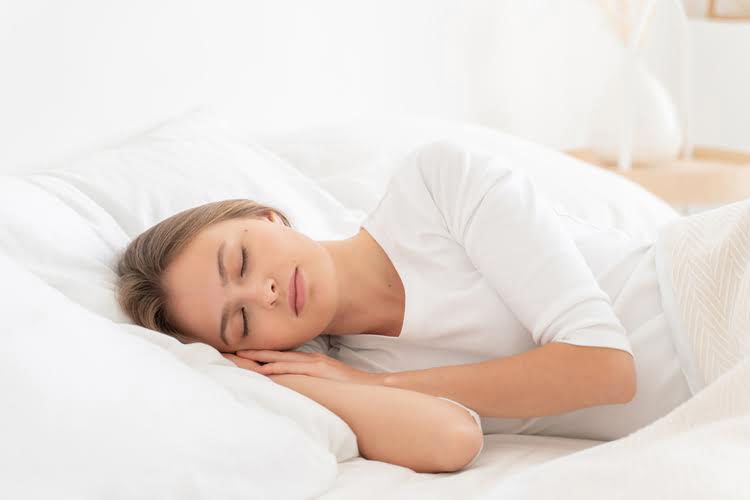
- Night sweats can be very disruptive to your sleep, affecting your mood and overall sense of well-being during the day.
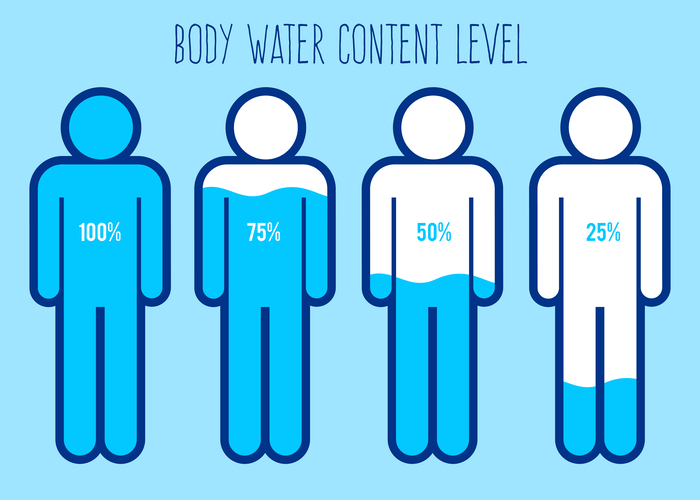
- Dehydration can paradoxically increase sweating as the body struggles to regulate temperature with reduced fluid.
- As well as sweating, this can lead to symptoms like facial redness, nausea, vomiting or low blood pressure.
- You may be surprised to find there are more ways than one to stop or manage that sticky, sweaty feeling when having a night out on the town.
- If you or someone you love suffers from an addiction, getting help can be a positive step forward.
This can lead to a higher accumulation of acetaldehyde and a more noticeable flush response, even if https://ecosoberhouse.com/ you didn’t experience it as strongly when you were younger. Wines can have varying alcohol content, with some varieties containing higher levels than others. If you find yourself looking for “inpatient drug rehab in Atlanta,” West Georgia Wellness Center stands ready to help you navigate alcohol misuse. Professional rehabilitation often involves medically managed detox, therapy to unpack deeper motivations, and post-treatment support to guard against relapse. Those who believe they have AUD or alcohol intolerance may wish to speak with their doctor.
General Health
When a person drinks alcohol, the body does alcohol make you sweat breaks it down into acetaldehyde, a toxic substance that can be damaging to the body if it is not removed from the body quickly. Sweating out alcohol toxins can help the body remove these substances from the body and prevent the buildup of acetaldehyde. Sweating does help to rid your body of alcohol, but it is not the most effective way to do so.
Alcohol and Sweating: The Immediate Effects
If you have consumed a large amount of alcohol, it could take up to 24 hours for your body to completely clear the alcohol from your system. Ultimately, your body’s response to alcohol, including night sweats, is a form of communication. It’s telling you about the stress and strain that alcohol is putting on your systems. Listening to these signals and making choices that prioritize your health and well-being is crucial.
Diagnosing the Cause: Is Alcohol to Blame for Your Night Sweats?
As a first step, we offer a free addiction assessment, where we can develop an understanding of the difficulties you’ve been experiencing and talk you through how we could help. Alcohol also inflames the tissue and can create a histamine reaction. Over time, this ruddiness can become a permanent feature of your skin. I’ll explore all of them, but first, let’s start with why you sweat when you drink.
Functions of Alcohol Sweating
Furthermore, pre-existing variables, such as an individual’s vulnerability to anxiety disorders and the duration and intensity of alcohol drinking, also add to this symptom. Signs of alcohol abuse can extend past physical signs and work their way into non-physical manifestations. Consuming an excess of alcohol will likely lead to more what is Oxford House noticeable effects such as unpleasant breath and alcohol body odor. Alcohol is treated as a toxin in the body, and a sure sign of abusing alcohol is the alcoholic smell of bad breath.
The Truth About Alcohol and Body Temperature
For regular drinkers, night sweats may indicate mild alcohol withdrawal. When alcohol regularly suppresses your nervous system, your body adjusts by becoming more excitable. As alcohol levels drop during sleep, this heightened nervous system activity can trigger sweating along with other symptoms like increased heart rate and anxiety. The side effects of alcohol-induced axillary hyperhidrosis can range from mild to severe. Mild effects may include a feeling of discomfort or itchiness in the armpits, as well as increased sweat production. Severe side effects may include excessive sweating, redness, and inflammation of the skin in the affected area.
Reasons of Sweating after Drinking Alcohol
Alcohol causes blood vessels to dilate or expand, leading to increased blood flow to the skin’s surface. This increased blood flow then triggers sweat glands to produce sweat in an attempt to cool down the body. Managing alcohol-related night sweats involves a combination of lifestyle adjustments, proactive hydration, and environmental tweaks. By adopting these strategies, you can significantly reduce the impact of night sweats and improve your overall sleep quality and health. If night sweats persist or are accompanied by other symptoms, it’s important to seek professional medical advice to address potential underlying health issues.
 Por
Por 

